Arabic creators

Arabic influencers

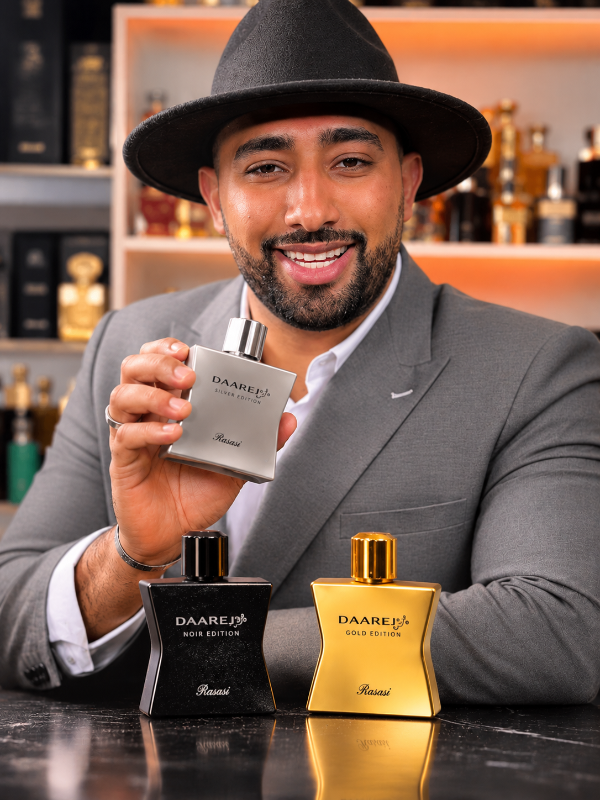
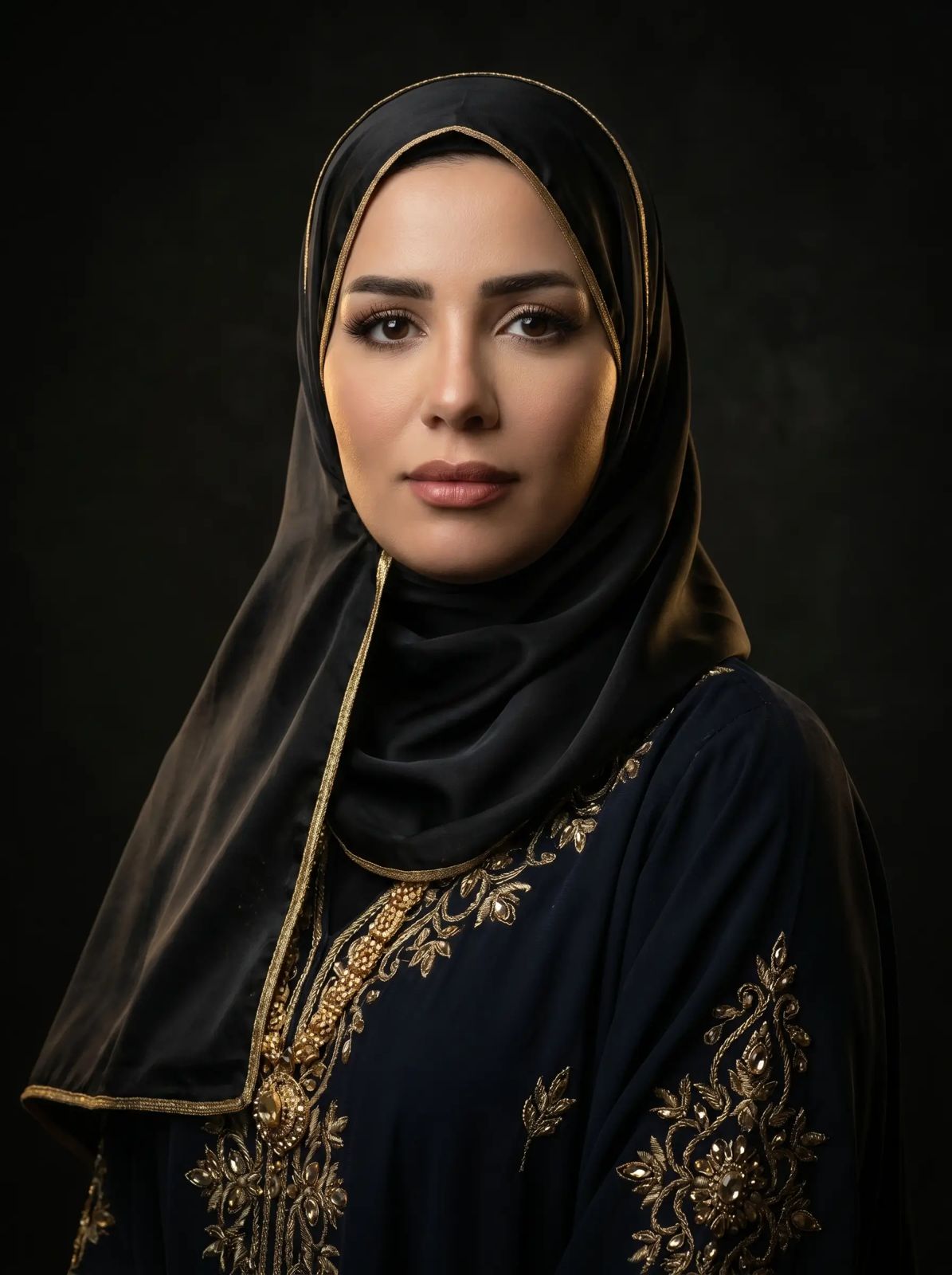
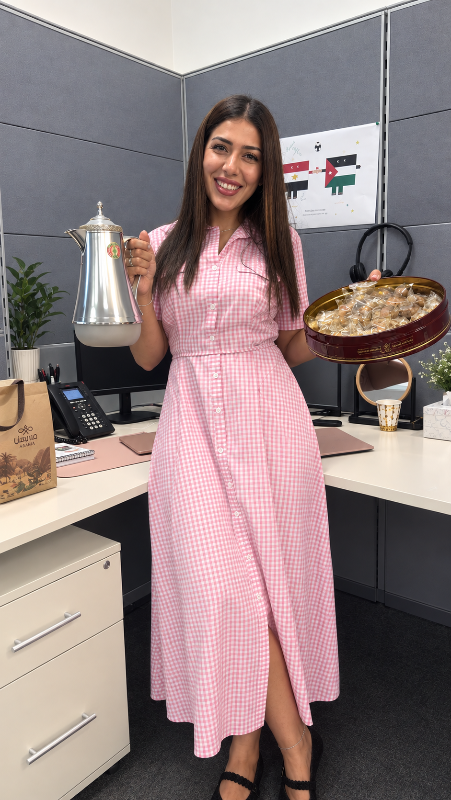
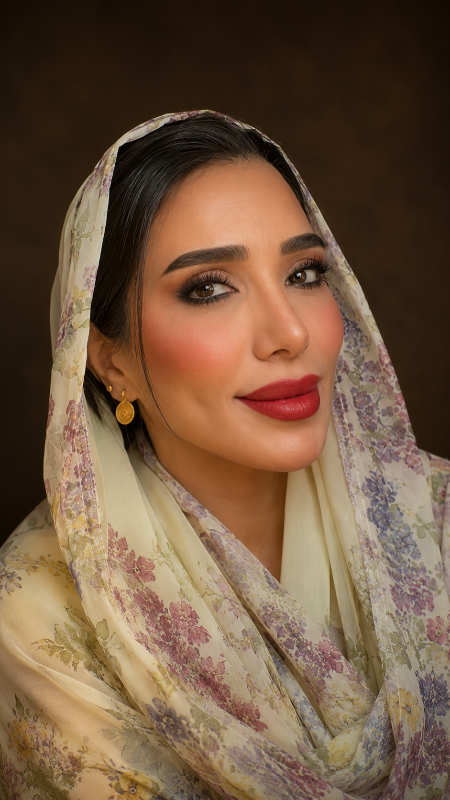
Find creators who make content in Arabic for audiences in the UAE, Saudi Arabia, the wider Gulf, and North Africa. Browse public creator profiles on Limurse that list Arabic as a language they speak, then match the dialect of each creator to the market you want to reach.

Rules and prices as of 20 November 2026

Booking Arabic creators for the UAE

For a UAE brief we book Arabic creators who live in the UAE and hold the UAE Advertiser Permit, checked by our team before the brief goes live.

The permit

Since 1 February 2026, anyone who publishes advertising content on social media from inside the UAE needs the UAE Advertiser Permit from the National Media Authority.

Profiles whose permit our team has checked, and which has not expired, show a “UAE permit verified” badge.

The full permit checklist

What it costs

  • UGC 10 $3,000 or ₹85,000 + taxes: 10 UGC creators
  • Starter $4,500 or ₹1,05,000 + taxes: 15 nano creators, under 10K followers
  • Growth $6,000 or ₹2,00,000 + taxes: 10 micro creators, 10K to 50K followers
  • Launch $13,500 or ₹4,50,000 + taxes: 5 creators with 50K to 250K followers and 10 micro creators

Public prices, unchanged since 17 November 2026.

Compare every package

How the brief runs

  • Shortlist within 72 hours of the advance. You approve every profile and can swap each one once.
  • Content live within 21 days of brief approval, with one revision round per creator.
  • Repost on your channels and run the content as partnership ads for 30 days. Longer paid usage is quoted separately.

Platform capabilities

Everything your team needs to discover creators, run campaigns, and measure outcomes, without tool sprawl.

The right dialect

Gulf, Egyptian, Levantine, or Maghrebi Arabic matched to the country you sell in, rather than one voice for every market.

Audience by country

Followers in the UAE, Saudi Arabia, Kuwait, Qatar, Egypt, or Morocco shown separately, so a regional plan stays precise.

Right to left done properly

On screen text, captions, and product names laid out for Arabic reading direction, checked before anything posts.

Views over vanity numbers

Recent views and genuine comments weighed ahead of follower totals, which can be inflated in any market.

Ramadan and national days

Posting plans built around Ramadan, Eid, UAE National Day, Saudi National Day, and the big shopping festivals.

UAE advertiser permit

Paid promotion in the UAE planned with creators who hold the UAE Advertiser Permit from the National Media Authority, with the label set in the brief.

How teams use it

Where brand teams put the workspace to work, from the first brief to the final payout.

One plan across the region

Shortlist creators for the UAE, Saudi Arabia, and North Africa in one place, compared by dialect, audience, and past brand work.

Approvals before anything airs

Brief once, approve scripts and edits ahead of posting, and check permits and delivery for every creator in the same workspace.

Why brands work with Arabic influencers

Arabic speaking audiences give their attention to creators who talk the way they do at home. In the UAE and Saudi Arabia, where many residents also speak English, Arabic content signals that a brand has made the effort to speak to local families rather than only to expatriates. A creator who knows the market's humour, customs, and shopping habits turns a product into a recommendation people trust.

The Arabic speaking world is also many markets at once. A creator in Riyadh, one in Cairo, and one in Casablanca each reach different buyers with different prices, delivery options, and tastes. Treat each country as its own campaign, choose creators by where their audience lives, and resist the temptation to run one creator across the whole region just because the language is shared.

  • Speak to local families, not only expatriates
  • Treat each country as its own market
  • Choose by audience country, not language alone

Planning for dialects and the Gulf calendar

Dialect decides whether content feels native. Khaleeji, or Gulf Arabic, suits the UAE, Saudi Arabia, Kuwait, Qatar, Bahrain, and Oman. Egyptian Arabic is familiar across the region through film and television, Levantine Arabic fits Lebanon, Jordan, Syria, and Palestine, and Maghrebi dialects serve Morocco, Algeria, and Tunisia. Brief the creator in the dialect of the target market, keep Modern Standard Arabic for formal on screen text, and let the creator adjust the wording.

Ramadan reshapes the year. Viewing moves late into the evening, and brands prepare months ahead for Eid al Fitr gifting, fashion, and home content. The lunar calendar brings Ramadan earlier each year, so confirm the dates first. UAE National Day on 2 December, Saudi National Day on 23 September, Saudi Founding Day on 22 February, White Friday sales in November, and the Dubai Shopping Festival over the winter are the other key windows.

  • Match the dialect to the market
  • Plan Ramadan content months ahead
  • Mark national days and sale seasons

How to choose and pay Arabic creators

Shortlist creators who list Arabic, then watch recent videos to hear which dialect they speak and confirm they post in Arabic rather than mostly in English. Check audience countries in their insights, read whether comments look like real followers, and ask which brands they have worked with. Content for the Gulf should look polished and respectful of local norms, so review a few past sponsored posts before you decide.

Creators may be paid a fee per deliverable, receive product as a barter collaboration, or earn a commission through a code. Agree usage rights, exclusivity, and paid ad use as separate items. For paid promotion in the UAE, work with creators who hold the UAE Advertiser Permit from the National Media Authority, and in Saudi Arabia check the current licensing rules. Label every paid post clearly, and use the Limurse influencer rate calculator for benchmark rates by deliverable.

  • Hear the dialect before you book
  • Check permits for each market
  • Make sponsorship obvious in every post

Frequently asked questions

Who are the top Arabic influencers?

The best known Arabic creators have large followings across many countries, which can make them a poor fit for a launch in one market. Start from the country you sell in, then look for creators who speak that market's dialect and whose recent posts draw real comments. The profiles on this page are public Limurse creator profiles, ordered as described in the note under them.

Which Arabic dialect should my campaign use?

Match the dialect to the audience. Gulf Arabic suits the UAE, Saudi Arabia, and neighbouring states, Egyptian Arabic is widely understood thanks to film and television, Levantine suits Lebanon, Jordan, and Syria, and Moroccan Darija speaks to Morocco. Modern Standard Arabic reads as formal on social media, so most creators keep it for on screen text.

Do Arabic influencers in the UAE need a permit?

Since 1 February 2026, advertising content on social media from inside the UAE needs a UAE Advertiser Permit from the National Media Authority, which replaced the UAE Media Council in December 2025, so check the permit and its expiry before you book. Saudi Arabia has its own licence for advertising creators, known as Mawthooq. Ask each creator for proof of the permit that applies to the market you target.

How much do Arabic influencers charge?

Rates vary by country, audience size, recent views, format, and whether you want the content for paid ads. A creator in Dubai and one in Cairo can quote very differently for the same post, so compare within each market. The Limurse influencer rate calculator gives benchmark rates by follower band and deliverable.

Build better brand-creator partnerships

Whether you are building a campaign or your creator business, keep discovery, communication, deliverables, and results clear from the start.